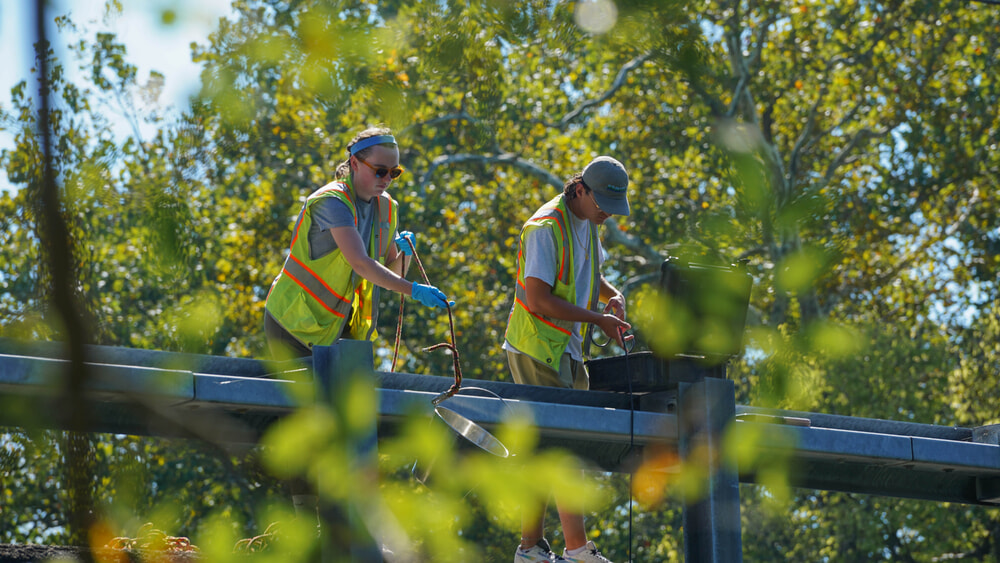
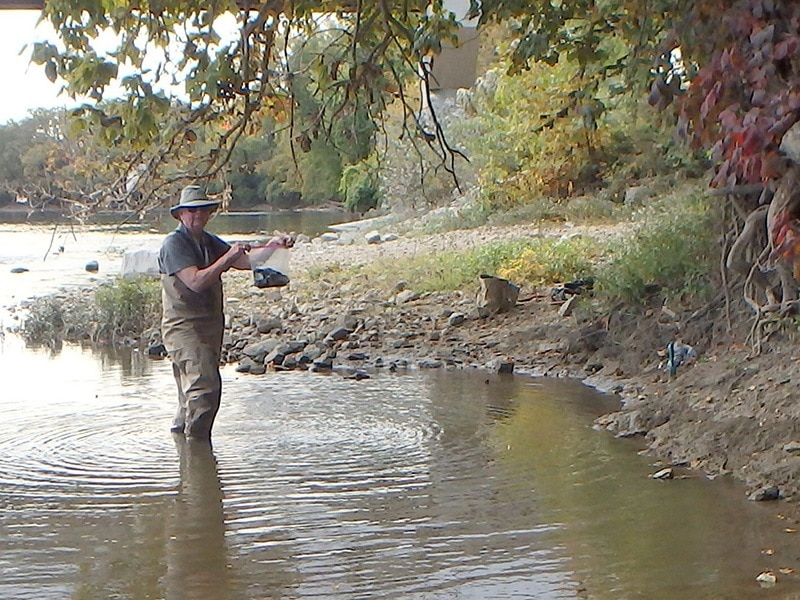
Get to know our 2025 Crews
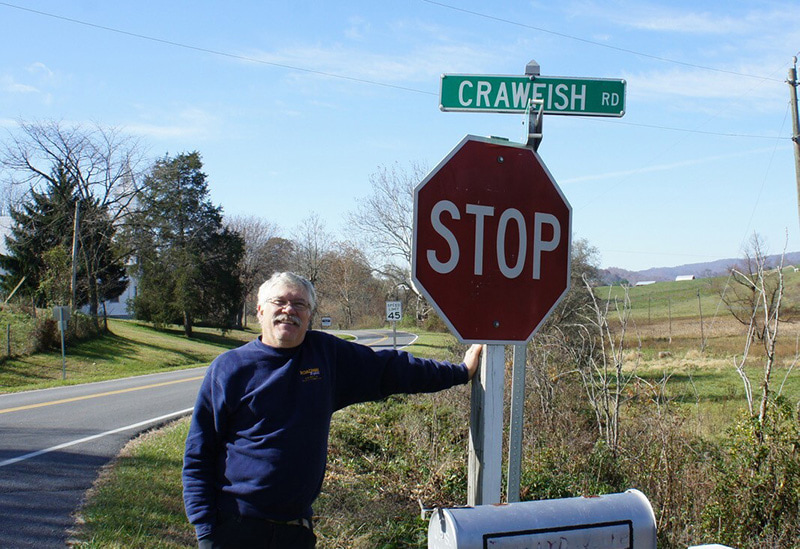
We get the chance to work with some pretty awesome people and we want to highlight some of this years accomplishments!
Highlighting engaging educational articles on water science, nature, and species, along with important MBI news.
Nov 3rd, 2025
Get to know our 2025 Crews
Mar 17th, 2023
A Snapshot of “Ancient” Mussels in Central Ohio
Jun 25th, 2021
Shining Star Roger Thoma Retires
Jun 8th, 2021
Best of luck, Blair!
Oct 31st, 2017
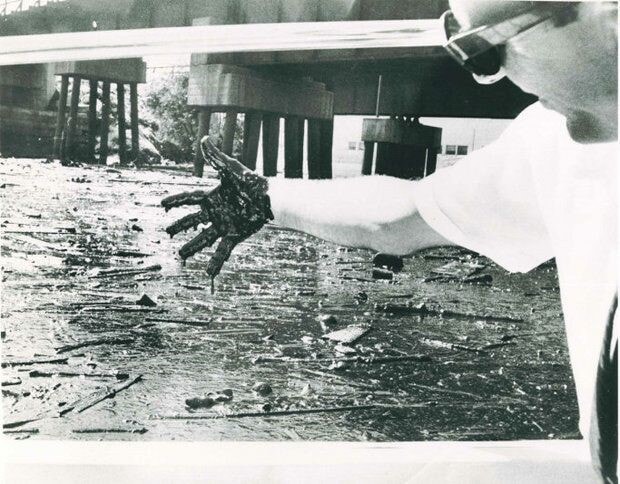
Disco Wasn't the Only Bad Thing about the 70s
Publications
Explore our newest educational content about freshwater ecosystems, fascinating species, and more.
Nov 12th, 2025
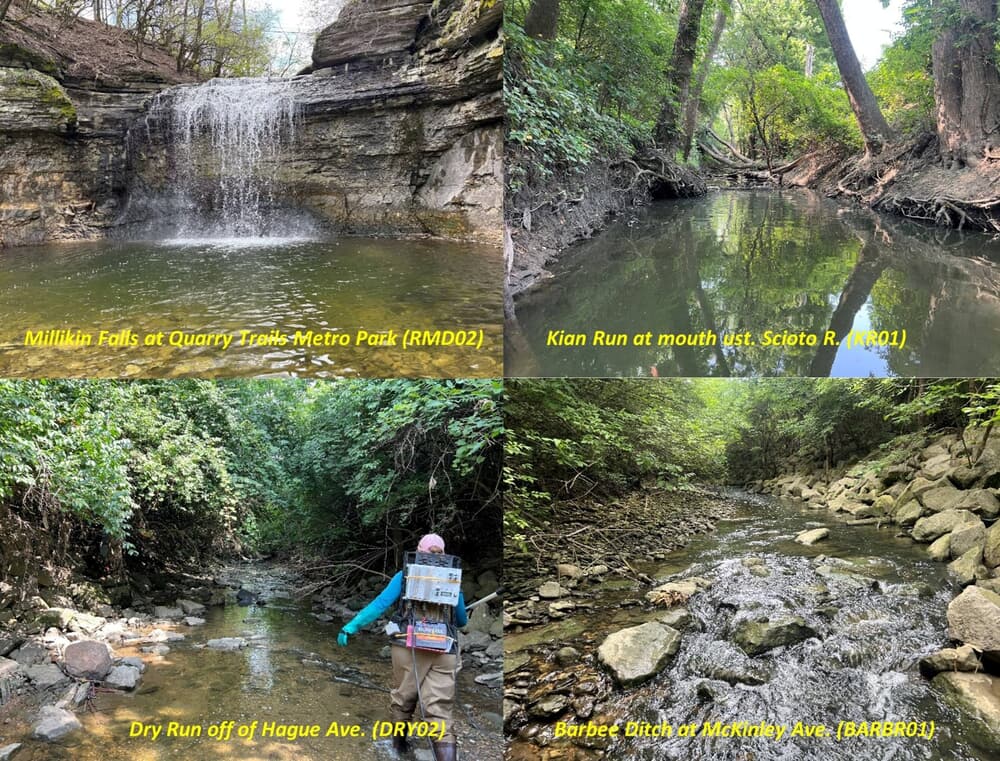
Biological and Water Quality Assessment of the Roberts Millikin Ditch, Barbee Ditch, and Dry Run Subwatersheds 2024
Nov 3rd, 2025
Get to know our 2025 Crews
Dec 23rd, 2024
MBI/2023-7-15
Relationships and Thresholds for Continuous Dissolved Oxygen Variables, Nutrient Effects, and Biological Attributes in Northeast Illinois Rivers and Streams
Dec 17th, 2024
MBI/2024-3-1
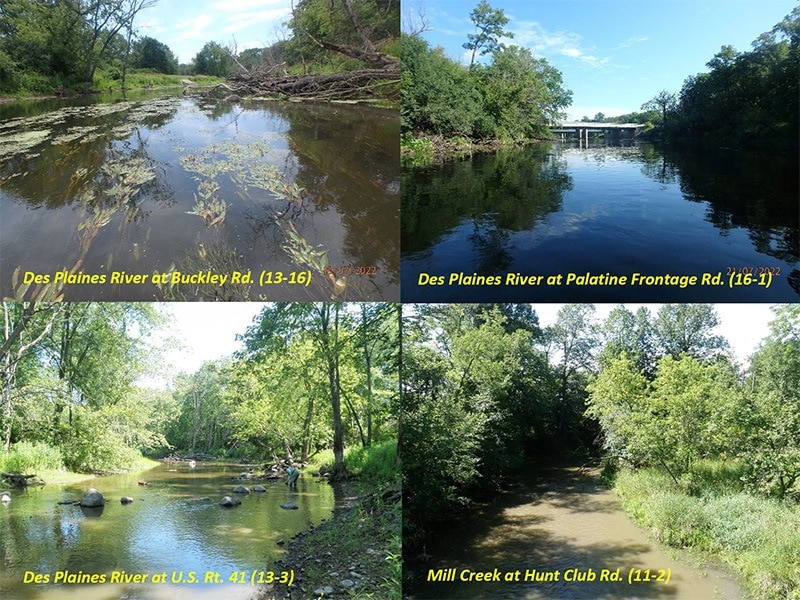
Biological and Water Quality Assessment of the Upper Des Plaines River 2022
Jun 24th, 2024
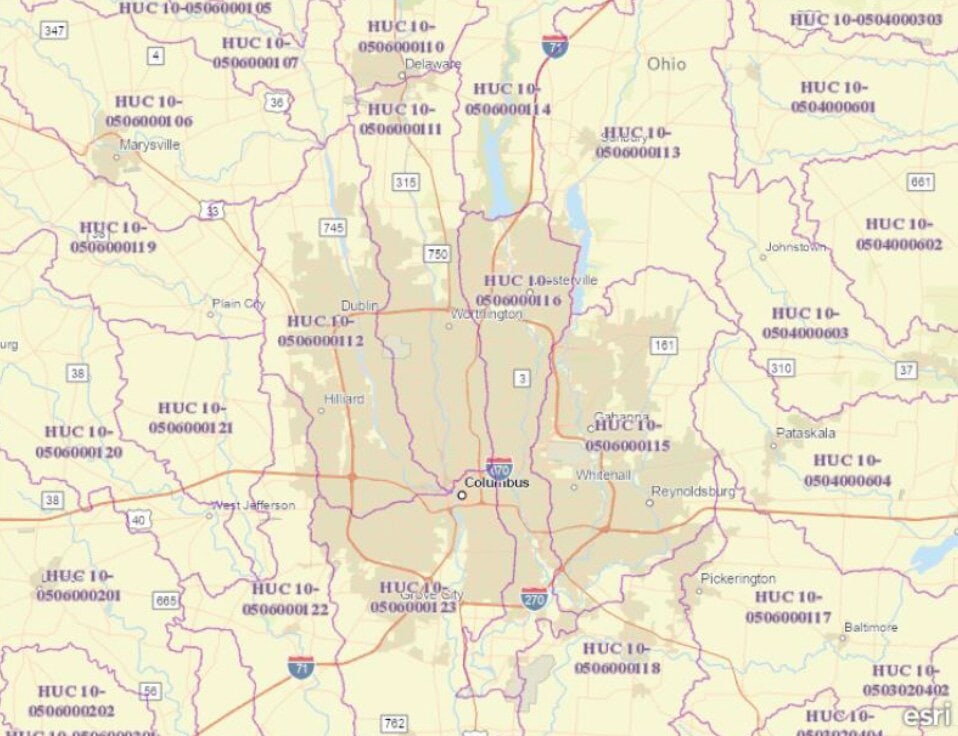
Watershed Monitoring and Bioassessment Plan for the Central Ohio Watersheds
Mar 14th, 2024
MBI/2023-12-12
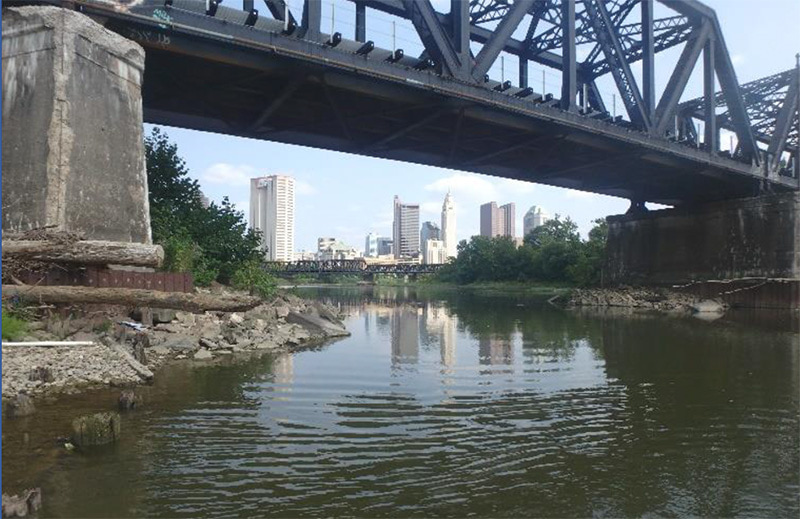
Biological and Water Quality Assessment of the Middle Scioto River, Lower Olentangy River, and Lower Olentangy Tributaries 2022
Browse our complete library of publications organized by type - from educational articles to comprehensive technical research.
Need help with technical terminology? Our glossary provides clear definitions of key terms used in freshwater science and environmental research.
Pools are the slower flowing areas of streams that are often wider than riffles, runs, and glides, are often locations of physical structures (logs, deep areas, backwaters, undercut banks/root wads, etc.,). These areas provide important habitat types of more lentic species, provide areas for nesting of sunfish and bass, and resting areas for other species. Important features of pools includes deep areas, their morphology (width relative to riffles and runs, and the presence of structure (logs, root wads, boulders, etc.,)
A law or regulation that consists of the designated use or uses of a waterbody, the narrative or numerical water quality criteria (including biocriteria) that are necessary to protect the use or uses of that particular waterbody, and an antidegradation policy.
The condition that approximates natural, unimpacted, to best attainable conditions (biological, chemical, physical, etc.) for a waterbody. Reference condition is best determined by collecting measurements at a sufficient number of sites in a similar waterbody class or region under minimally or least disturbed conditions (by human activity), if they exist. Since undisturbed or minimally disturbed conditions may be difficult or impossible to find in some states, least disturbed conditions, combined with historical information, models or other methods may be used to approximate reference condition as long as the departure from natural or ideal is understood. Reference condition is used as a benchmark to establish numeric biocriteria.
Technical Reports
Comprehensive reports detailing our research findings, data analyses, and environmental assessments.
Nov 12th, 2025
Biological and Water Quality Assessment of the Roberts Millikin Ditch, Barbee Ditch, and Dry Run Subwatersheds 2024
Dec 23rd, 2024
MBI/2023-7-15
Relationships and Thresholds for Continuous Dissolved Oxygen Variables, Nutrient Effects, and Biological Attributes in Northeast Illinois Rivers and Streams
Dec 17th, 2024
MBI/2024-3-1
Biological and Water Quality Assessment of the Upper Des Plaines River 2022
Jun 24th, 2024
Watershed Monitoring and Bioassessment Plan for the Central Ohio Watersheds
Mar 14th, 2024
MBI/2023-12-12
Biological and Water Quality Assessment of the Middle Scioto River, Lower Olentangy River, and Lower Olentangy Tributaries 2022
Aug 7th, 2023
MBI/2020-5-10
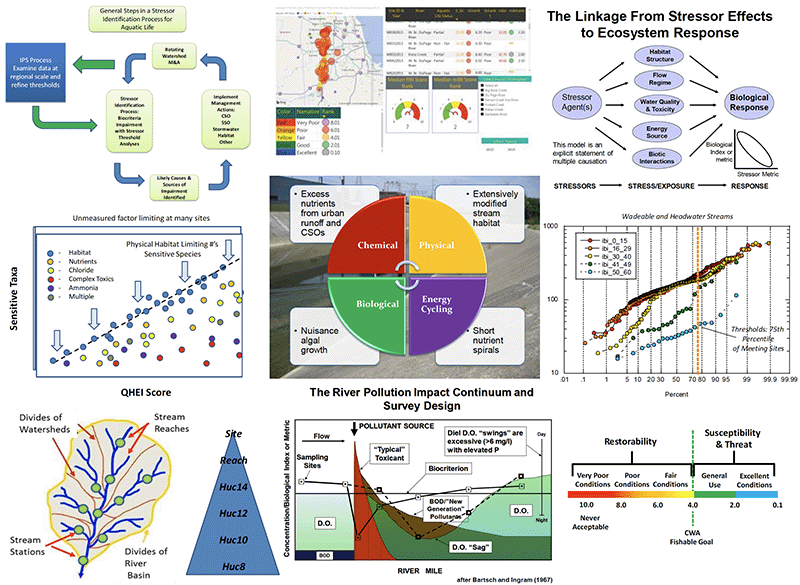
Integrated Prioritization System (IPS) for Northeastern Illinois: Technical Documentation and Atlas of Stressor Relationships
-